

There is a question worth asking of any workplace:
Are your people being managed, or are they being led?
The distinction sounds subtle. It isn’t. Management, at its worst, is about control, hitting targets, enforcing process, keeping people in their lanes. Leadership, at its best, is about unlocking human potential.
One asks what did you do? The other asks what are you capable of?
The Coach Who Trusted His Players
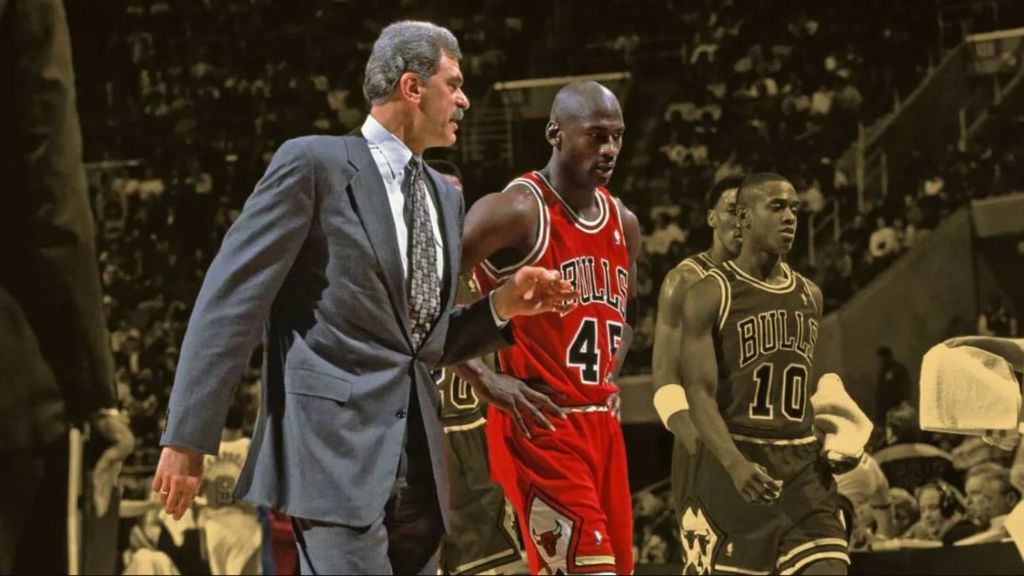
Phil Jackson won eleven NBA championships. He did it not by dominating his players, but by creating conditions for them to dominate their opponents. His triangle offense required every player on the court to think, read, and adapt, it was the opposite of a system where one person dictates and everyone else obeys. Jackson gave Michael Jordan, Kobe Bryant, and Shaquille O’Neal extraordinary autonomy, then held them accountable to something larger than themselves. The team.
“The strength of the team is each individual member,” Jackson wrote. “The strength of each member is the team.”
That is leadership. A manager would have drawn up plays. Jackson built a culture.
The Danger of Being Over-Managed
Research in organizational psychology consistently shows that micromanagement is one of the fastest routes to disengagement.
When people feel watched rather than trusted, they stop taking initiative.
They do the minimum required, because the message they have received implicitly or explicitly is that their judgment does not count.
They ask themselves, does this Manager or the Company genuinely care about me? Do they exhibit any behaviors that demonstrate this?
Do they care enough to do something as simple as wishing me a Happy Birthday?
The late Bill Walsh, legendary coach of the San Francisco 49ers, understood this. His “Standard of Performance” was not a rulebook handed down from above, it was a shared set of values that his players internalized. He set the standard, explained the why, and then trusted his team to embody it. The result was a dynasty built on character as much as talent. Did he care about his players at a personal level? You are darned right that he did. Just like “Coach K” did.
Leadership leaves clues, the tips, tricks, and techniques are right in front of us should we care enough to study the art of human behavior and effective management.
What Great Leaders Actually Do?
The greatest coaches and leaders in history share a few common traits. They communicate a compelling vision that people choose to follow. They invest in individuals seeing them as whole people, not just performers. They create safety for honest feedback to flow in both directions. And they understand that their job is to make themselves, in some sense, unnecessary to develop people who do not need to be told what to do.
Being managed can feel efficient. Being led feels different. It feels like someone believes in what you can become.
That belief, it turns out, is one of the most powerful forces in human performance.