
What do Geese Know About Building Great Teams?
Great teams are not made of great individuals. This is a hard truth for anyone who has built a business by hiring the most talented person in the room and hoping talent alone would carry the organization forward. It rarely does. What separates a group of capable people from a truly great team is not raw ability. It is structure, discipline, and an almost stubborn commitment to a set of unglamorous behaviors, repeated consistently, over time.
Consider the goose.
Build the Formation, not the Hero.
A single goose, flying alone, tires quickly and travels a modest distance.
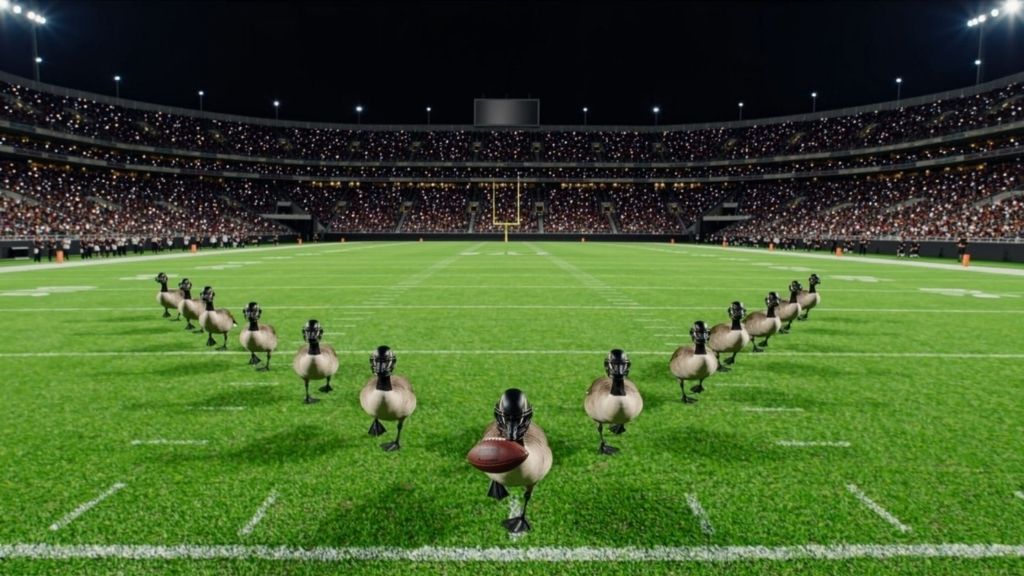
A flock of geese, flying in formation, travels dramatically farther on the same amount of energy. The mechanism is simple:
- Each bird positions itself to catch the lift generated by the bird ahead, reducing its own resistance.
- No goose “manages” this system, there is no memo.
- The behavior is disciplined, structural, and self-reinforcing.
This is precisely what distinguishes a good team from a great one. Great teams do not rely on heroics. They build a formation that makes heroics unnecessary.
Leadership is a Function, not a Title.
Notice that the lead position rotates. Flying point is the most demanding job in the formation. The most resistance, the most exposure. No single goose holds it indefinitely.
- In mediocre organizations, leadership is a title, held permanently by whoever earned it last.
- In great ones, leadership is a function, exercised by whoever is best positioned to carry the load right now.
- The role is handed off before exhaustion becomes failure.
The rotation is not a sign of weak leadership. It is the mechanism that makes sustained performance possible.
Reinforcement Has to Flow in Every Direction.
Then there is the honking. The encouragement offered from the rear of the formation toward those setting the pace up front. It is easy to dismiss this as sentimental. It is not.
- Sustained performance requires reinforcement flowing in every direction, not merely downward from the top.
- Teams that only receive direction, and never encouragement, eventually stop flying in formation at all.
Loyalty Is Tested in the Struggle, Not the Cruise.
Finally, When a goose falters, sick, injured, unable to keep pace, others break formation to stay with it.
- This is not efficient in the narrow sense. It costs the flock time and energy.
- It is precisely this behavior, repeated reliably, that builds the trust the entire formation depends on.
- A team that abandons its struggling members in the name of speed will eventually find that no one is willing to fly point for it.
None of this is about sentiment. It is about mechanisms. Great teams, like great flocks, are built on structures that make sustained, long-distance performance possible.
- Rotating leadership
- Mutual reinforcement
- Shared load
- Loyalty tested in moments of difficulty
Build the formation. The distance takes care of itself.